Empower Teams, Overcome Challenges Together
Struggling with Your Team? Discover the Path to Success
As a leader, you know the pressure of juggling team dynamics, achieving goals, and creating a cohesive culture. When things aren’t working, it’s easy to feel stuck. What if you could move past those frustrations and build a thriving team? Investing intentionally to solve your team’s challenges is the first step toward creating the results you want. Let’s explore how to get there.
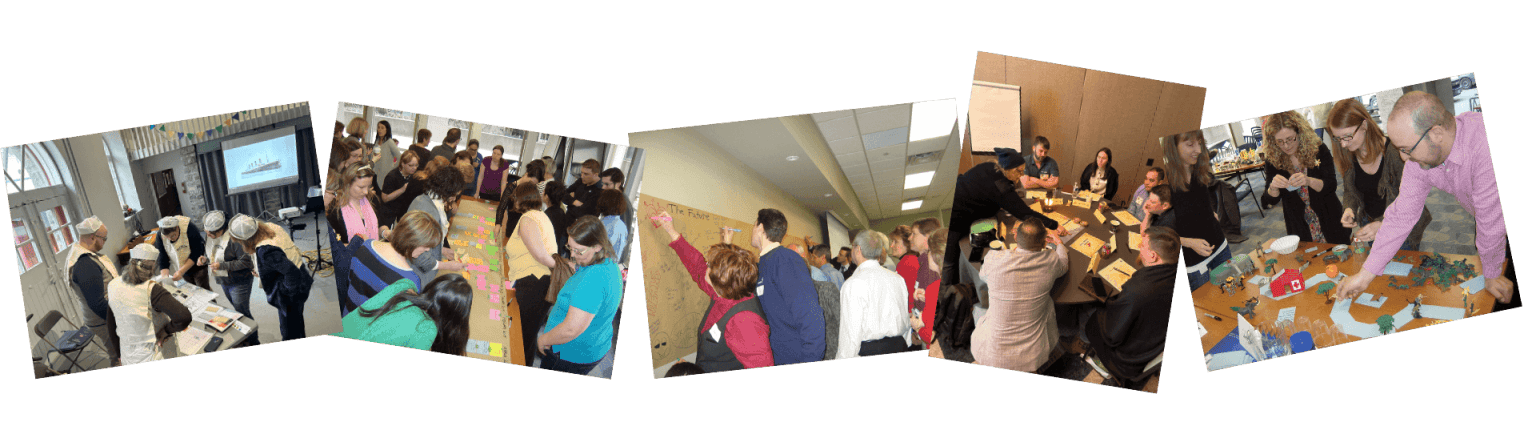
Common Team Challenges and What They’re Costing You
1. Communication Breakdowns
Clients report communication is always the #1 issue or in the top 4. Miscommunication leads to delays, errors, and conflict, making it hard to achieve goals. When messages are unclear, unheard or not shared effectively, your team’s performance and morale suffer.
You want communication to flow seamlessly—where every member understands their role, aligns with team goals, and collaborates effortlessly. Challenges get addressed head-on, and the focus stays on solutions rather than problems. To get team communication flowing, invest in helping your team master authentic, adaptable communication approaches then engage them to practice solving their most challenging priorities.
2. Lack of Trust and Connection
When trust is missing, teams operate in silos. Collaboration decreases, and members hesitate to share ideas, help others achieve or take responsibility for their impact. This disconnection can prevent your team from reaching its potential – and its goals.
To create a team where trust is second nature, silos get replaced with open channels of communication and collaboration. Team members start feeling safe sharing ideas, taking responsibility, and seeking input from their peers practicing tools to achieve team priorities. Action flows freely, and efforts get aligned toward shared goals. As trust deepens, your team grows stronger, more resilient, and better equipped to tackle larger challenges together. Ongoing team implementation plans ensure collaboration becomes the norm, not the exception, and the entire team thrives with every interaction.
3. Disengaged and Unmotivated Team Members
Disengaged employees reduce productivity, increase turnover, and block innovation. When team members feel undervalued or disconnected, they lose focus and deliver the bare minimum. Disengagement spreads quickly, creating a cycle that undermines the entire team.
To get an engaged and energized team, every member gets to contribute their value, feel recognized, and connects to the team’s accomplishments. Motivation comes from setting goals and implementing them together which drives action, fueling innovation and collaboration. Soon team members tackle larger challenges with purpose and confidence, delivering exceptional results and strengthening their team culture.
4. Unclear Goals and Priorities
Unclear direction leaves teams feeling overwhelmed and scattered. Teams see how misaligned priorities waste time, derail efforts, and cause wasted opportunities. Without clarity and ownership, team members struggle to focus and contribute, leading to frustration and inefficiency.
Teams commit to goals they choose then when each member creates the big picture, the goals, they get to choose the priorities and contribute to shared implementation plans. Teams who get supported through progress updates on their plan and priorities achieve measurable progress so celebrating reinforces their meaningful success.
5. Persistent Conflict and Misunderstandings
Unresolved conflict breeds tension and disrupts progress. Poorly managed disagreements fester, damaging relationships and weakening the team’s ability to work together effectively. Misunderstandings create barriers that stall progress and prevent the team from ever reaching its potential.
Teams who handle conflict with skill are secure. Members start to view differences as opportunities to grow and improve. Constructive discussions replace tension, strengthening relationships and driving better solutions. Teams thrive inside open communication where they get to consistently transform challenges into action pathways to tangible success.
6. Resistance to Change
Resistance to change slows progress and blocks growth. Teams hesitate to adopt new processes, adjust to leadership shifts, and respond to market changes because leaders fail to prepare properly. Fear of the unknown and questioning the new practice must be expected. Especially when teams get ignored (lack of investment in development) which often leads to a lack of adaptability and creates roadblocks that prevent success.
Teams who learn how handle emotional resistance so they tackle change with confidence and agility. They learn then approach new challenges with open minds, embrace innovation, and find opportunities in uncertainty. Every team evolves with their environment, seizing chances to improve and grow stronger together.
How to Build Your Ideal Team
Every team faces unique challenges, so the path to success begins with clarity in how to invest so they can grow by taking action together. Start by identifying what holds your team back and get clear on the transformation you want to achieve. Effective solutions often include:
- Cultivating open, effective communication that fosters ownership and alignment.
- Building trust and collaboration through working together to strengthen team connections.
- Setting clear, actionable goals that matter to the team.
- Developing strategies to ignite engagement together and sustain motivation.
- Practice resolving conflict constructively so they experience growing stronger through conflict.
- Empowering your team to choose to change as a springboard for innovation and progress.
Focusing on these key areas creates a dynamic, resilient team culture. Your team culture drives long-term success. When your team thrives, so does your organization.
Your Next Steps to Building a High-Performing Team
Building a high-performing team doesn’t happen overnight. Start by assessing your current challenges and identifying what you think are the most pressing obstacles. Engage them to focus on taking one meaningful step toward the team you envision. Address root causes of resistance to reinforce a culture of collaboration, innovation, and sustained success.
Each step forward strengthens your team, moving you closer to the results you want and the culture they aspire to maintain.